By the second week of July, most writing plans have collided with reality: children at home, a fortnight away, a garden that finally feels worth sitting in. The temptation is either to abandon the whole thing until September or to set a punishing target and feel guilty when it slips. Neither helps. A summer plan works better when it is smaller, more flexible, and built around the season rather than in spite of it.
Redefine what a productive summer looks like
The routine that carried you through March — desk at nine, a thousand words before lunch — was built for a different life. Six weeks of school holidays, a warm spell and a house full of people will not respect it. So change the measure. Instead of a daily word count, set a weekly one. Three hundred words, three times a week, is nine hundred words you would not otherwise have written. Decide now what counts as a win, and write it down somewhere you will see it.
Some work suits a fragmented season better than other work does. Editing an existing draft, writing short pieces, making notes for a project that has been circling for months, drafting scenes whose shape you already know — all of these survive interruption. Structural work, the kind that needs two clear hours and an uncluttered head, is usually better left for September. There is no shame in matching the task to the time you actually have.
Plan around the holidays, not around your ideal week
Get the real dates in front of you. Term ends, holiday clubs, visits to relatives, your partner's leave, the week the boiler gets serviced. Then mark the hours you genuinely control. Two protected forty-minute slots beat a hoped-for three-hour morning that never arrives.
A short planning routine helps:
- Put every fixed commitment into one calendar, including travel days and the day after you get home.
- Mark two or three realistic writing windows each week and treat them as appointments, not intentions.
- Decide in advance what happens in each window — drafting, editing, notes — so you are not choosing a task when you sit down.
- Name a fallback: a fifteen-minute session for the weeks that fall apart.
Expect at least one week to be a write-off. Planned for, it stops feeling like failure and starts feeling like weather.
Use short sprints, and stop mid-sentence
Set a timer for twenty or twenty-five minutes and give it a single job: one paragraph, one page of edits, the next two hundred words. Put the phone in another room, or at least face down and out of reach. When the timer goes, stop — even if it is going well. Finish in the middle of a sentence if you can.
Twenty minutes with one clear task beats two hours with a vague one.
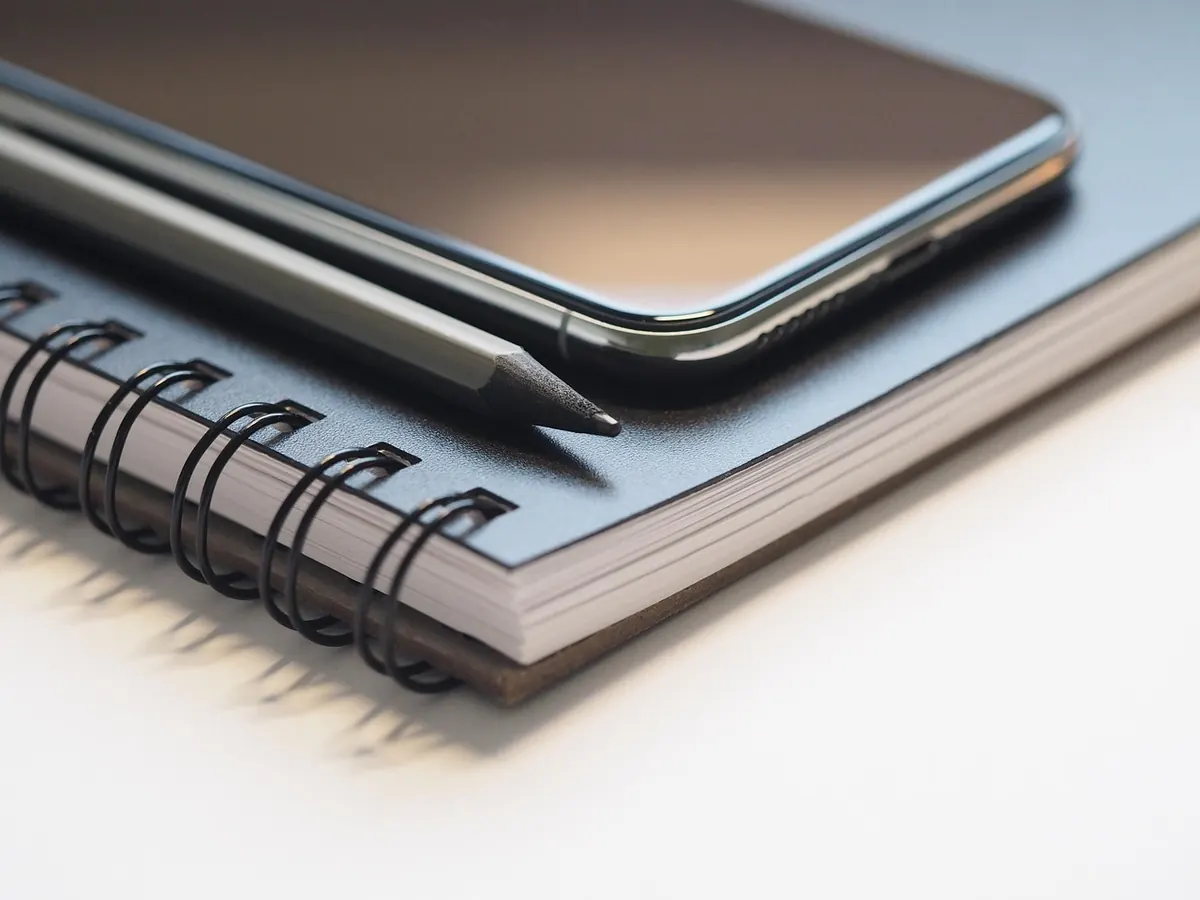
A notebook works as well as a laptop for this, and it travels better. A kitchen table at six in the morning, a park bench, a train seat, the back step while the paddling pool fills: all of them are legitimate desks.
Make the next session easy to start
Before you close the notebook or the laptop, write one line describing the exact next thing to do. Finish the argument in paragraph three. Check the date in chapter two. Work out why she agrees to go. When you next sit down — possibly three days later, with sand in the keyboard — you will not have to reload the whole project in your head before you can write a word.
Work with the weather rather than against it
Early mornings are cooler, quieter and free of demands. Late evenings, once the house has settled, are the other reliable window. The middle of the day is better spent on the paddling pool, the chores, the reading. Move your desk to the coolest room, or take it outside into the shade, and keep water within reach.
If heat or fatigue is making you feel unwell, dizzy or unusually exhausted, or you take medication that affects how you cope with high temperatures, ask a pharmacist or GP for advice rather than pushing through a session to hit a number.
Turn the season into material
Days out are research. The queue at the seaside, the smell of a museum cloakroom, the argument at the ice cream van, the specific noise a crowded train makes when it pulls out — ten minutes with a notebook at the end of the day will hold on to detail that memory drops by October. If you are a passenger on a long drive, describe the road. If you are walking, dictate a few lines into your phone.
You do not need to shape any of it yet. Collect first; sort in September.
Choose one goal you can actually finish
Pick a single project for the summer and give it an endpoint you could explain to someone else. Finish the second draft of chapter four. Write twelve short pieces of five hundred words. Read the whole manuscript once with a pen in hand. Not "write more".
Then make progress visible — a cross on a wall calendar for every session, however short. Tell one person what you are doing and when you will next report back. Both cost nothing and both work better than motivation does.
Your one-page summer plan
- Write down the summer's fixed dates, including travel and recovery days.
- Set a weekly target that fits the weeks you actually have, not the ones you wish you had.
- Book two or three writing windows a week and choose the task for each in advance.
- Keep a one-line note of what to do next, so starting is easy.
- Track sessions visibly and tell someone about the goal.
Writers who keep going through August are rarely the ones with the most free time. They are the ones whose plans survived contact with the holidays. Small, regular and forgiving is enough — and it leaves you with something real to work with when the schools go back.
Photo: Gary Barnes / Pexels